
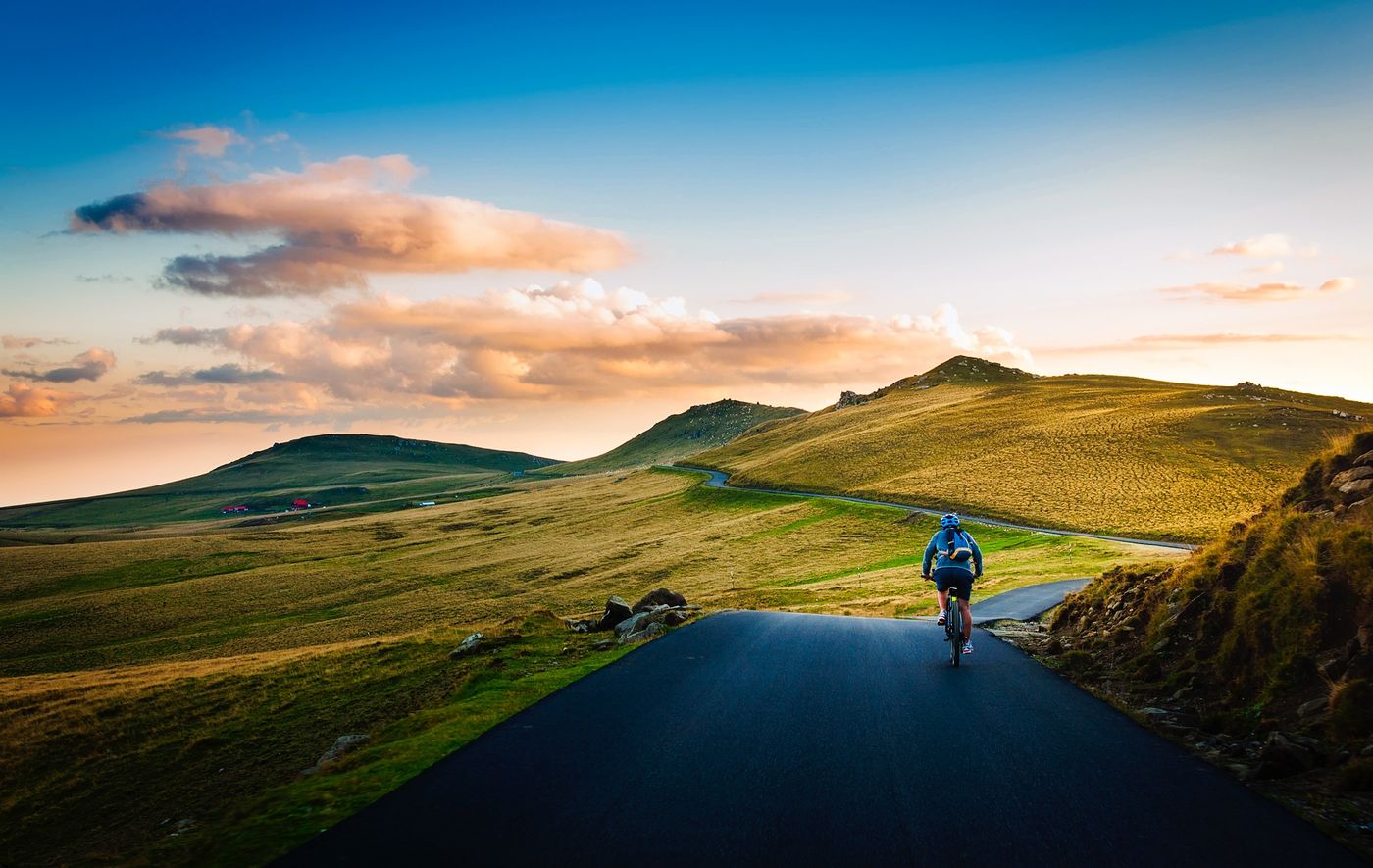
Germany did not invent the bicycle path overnight. The modern network is the result of touring clubs, environmental politics, municipal experiments, and national coordination around long-distance routes.
Key takeaways
- Germany’s network exceeds 70,000 km of signed long-distance routes
- Twelve national D-Netz routes cross the country border to border
- River paths (Elbe, Rhine, Danube, Moselle) anchor the touring economy
- A green line on the map does not promise asphalt — check surfaces
River paths came first
Many of the country’s most popular corridors follow water: Elbe, Rhine, Danube, Weser, Spree. Flood plains offered space, scenery attracted tourism boards, and gradual paving created multi-day itineraries that families and sport riders could share.
From tourism routes to daily Radverkehr
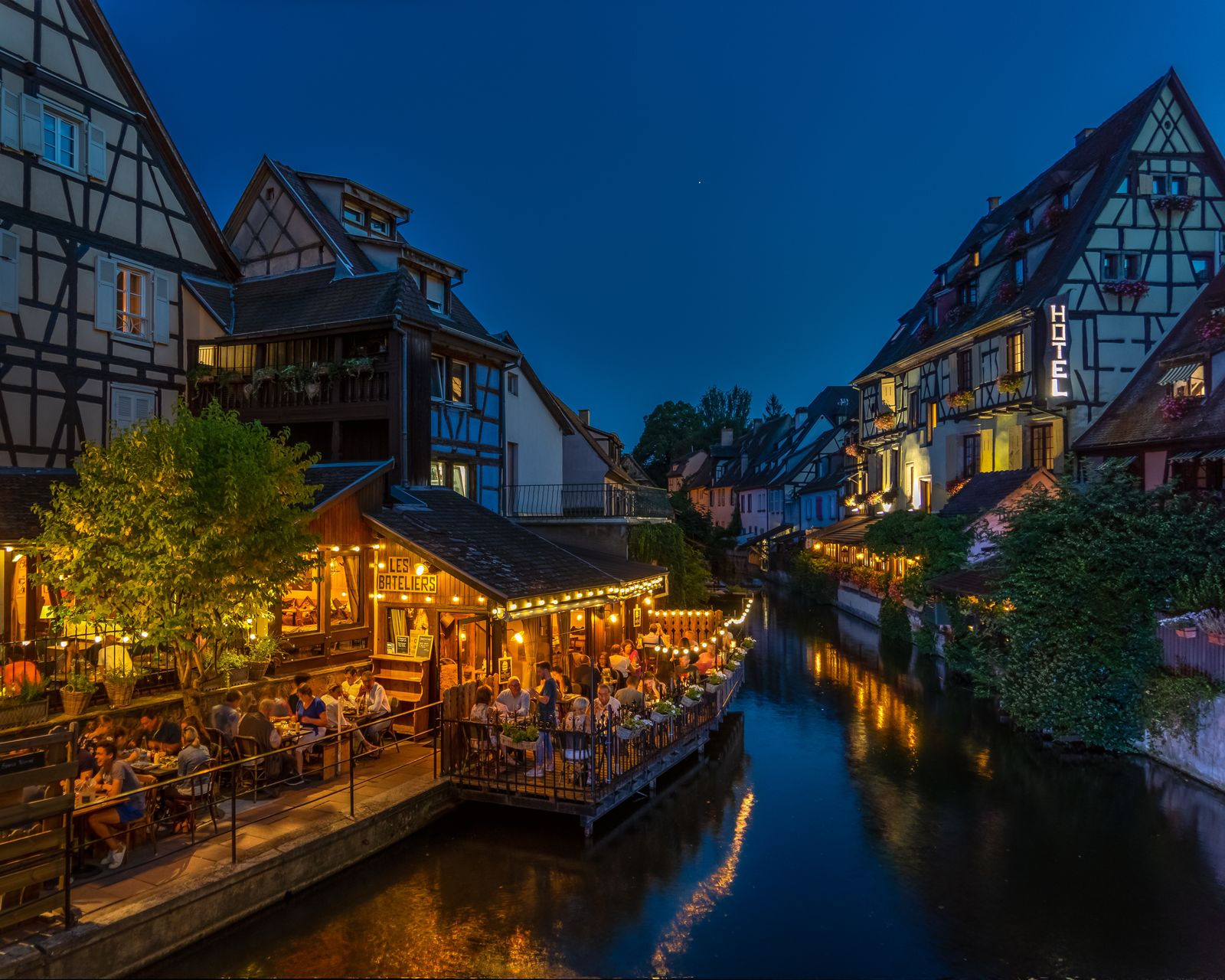
Long-distance branding helped visitors. Daily riders needed something else: continuous lanes to schools, stations, and industrial parks. Cities such as Münster, Karlsruhe, and later Berlin invested in protected infrastructure, bike parking, and traffic calming. The cultural effect was cumulative — when riding feels normal, more people ride.
Why connectivity beats isolated beauty
A scenic five-kilometre stretch that dumps you onto a hostile arterial road teaches people not to trust the network. German planning discourse increasingly focuses on coherence: junction design, winter clearing, lighting, and wayfinding that works at dusk in November.
- National and regional route markers for touring
- Municipal networks for commuting
- Forest and agricultural tracks that fill gaps (often better on gravel)
What riders should take away
Use official route planners for multi-day trips, but verify surface quality. A green line on a map can still mean compacted sand. Pair navigation with the right bike category — see our road vs gravel guide — and treat local Radwege as the true measure of whether a city works on two wheels.
For the sporting side of the same culture, continue with racing from clubs to Deutschland Tour.
The twelve D-routes at a glance
The Radnetz Deutschland organises national cycling around twelve numbered routes (D1–D12), from the North Sea Coast Route to the Alpine foothills. A few worth knowing:
- D3 (European route R1): crosses the country west–east through Münster, the Harz foreland, and Berlin — the commuter belt of long-distance touring
- D8 (Rhine Route): the classic — castles, vineyards, and the busiest bicycle tourism corridor in the country
- D10 (Elbe Route): Dresden to the North Sea, consistently voted among Germany’s favourite holiday routes
- D11: Baltic coast to the Erzgebirge, connecting seaside wind with mid-mountain climbing
Regional networks hang off this spine — Brandenburg alone maintains thousands of kilometres, including the Berlin–Usedom route that passes near our office.
The unglamorous backbone: signage, winter service, lighting
What separates a network from a marketing map is maintenance. Good German routes are signed consistently in both directions, cleared of snow on priority corridors, and lit where they pass through towns. Where those basics fail, usage collapses — which is why advocacy groups audit routes annually and municipalities compete (sometimes grudgingly) on the ADFC’s city cycling climate survey.
Planning a tour like a local
Germans plan multi-day Radtouren around three fixed points: train access at both ends (Deutsche Bahn carries bikes on most regional services), nightly stops in bett+bike certified accommodation, and honest surface data from route operators. Add a weather margin in the shoulder seasons, and remember that river routes flood — the Elbe path in spring is an adventure of detours.
Match the bike to the route’s worst surface, not its best: our type guide explains why a trekking or gravel setup is the default touring answer.