Bicycle journal · Est. Brandenburg

Every bike has a job. Know yours.

Klenzegen is an independent English-language journal about bicycles and the country that rides them every day. We explain how road, gravel, city, mountain, and electric bikes actually differ — and how Germany built a culture where club racers and commuters share the same lanes.

5bike categories, decoded
8long-form journal articles
70,000+km of signed German routes
1editorial desk, east of Berlin
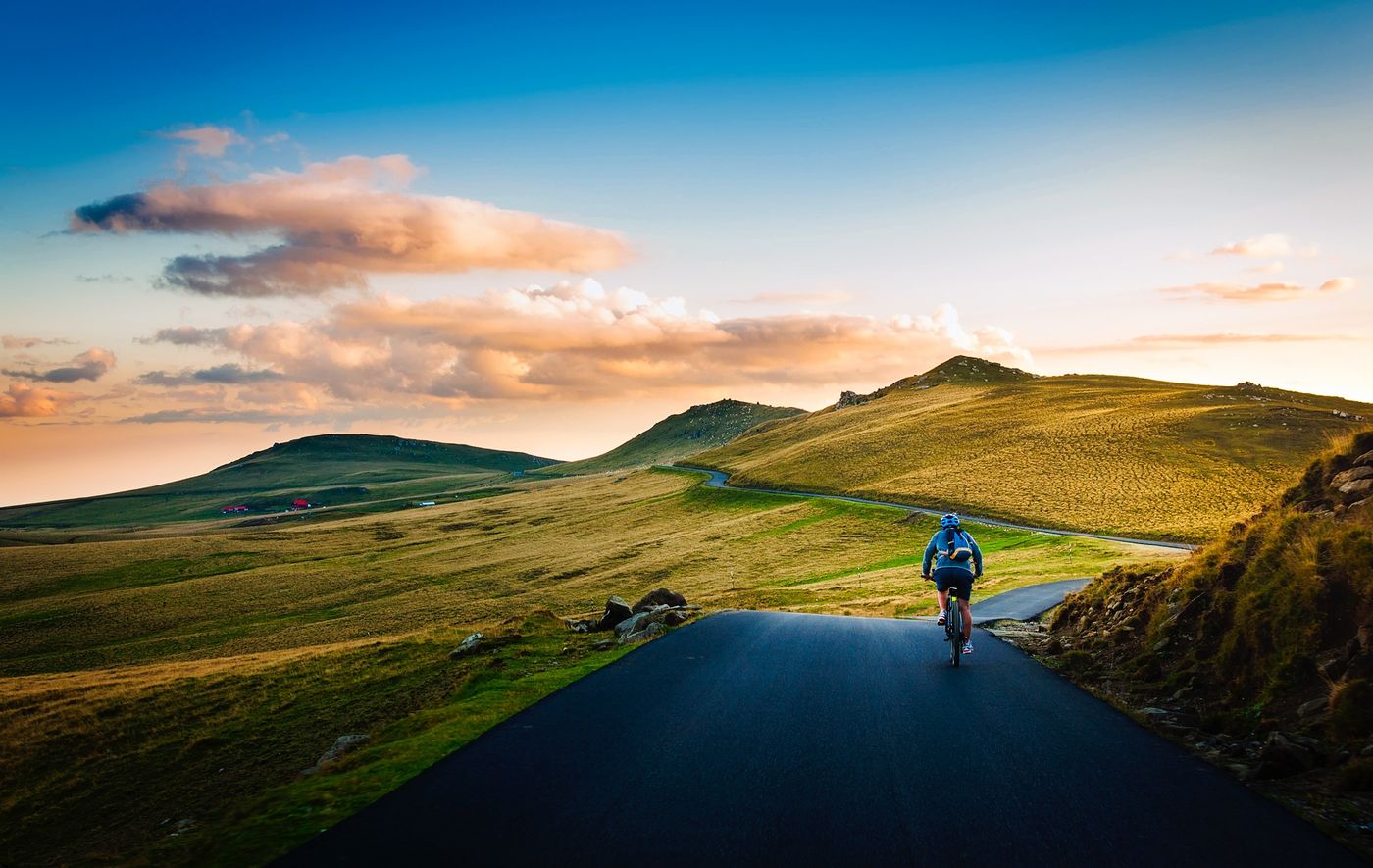
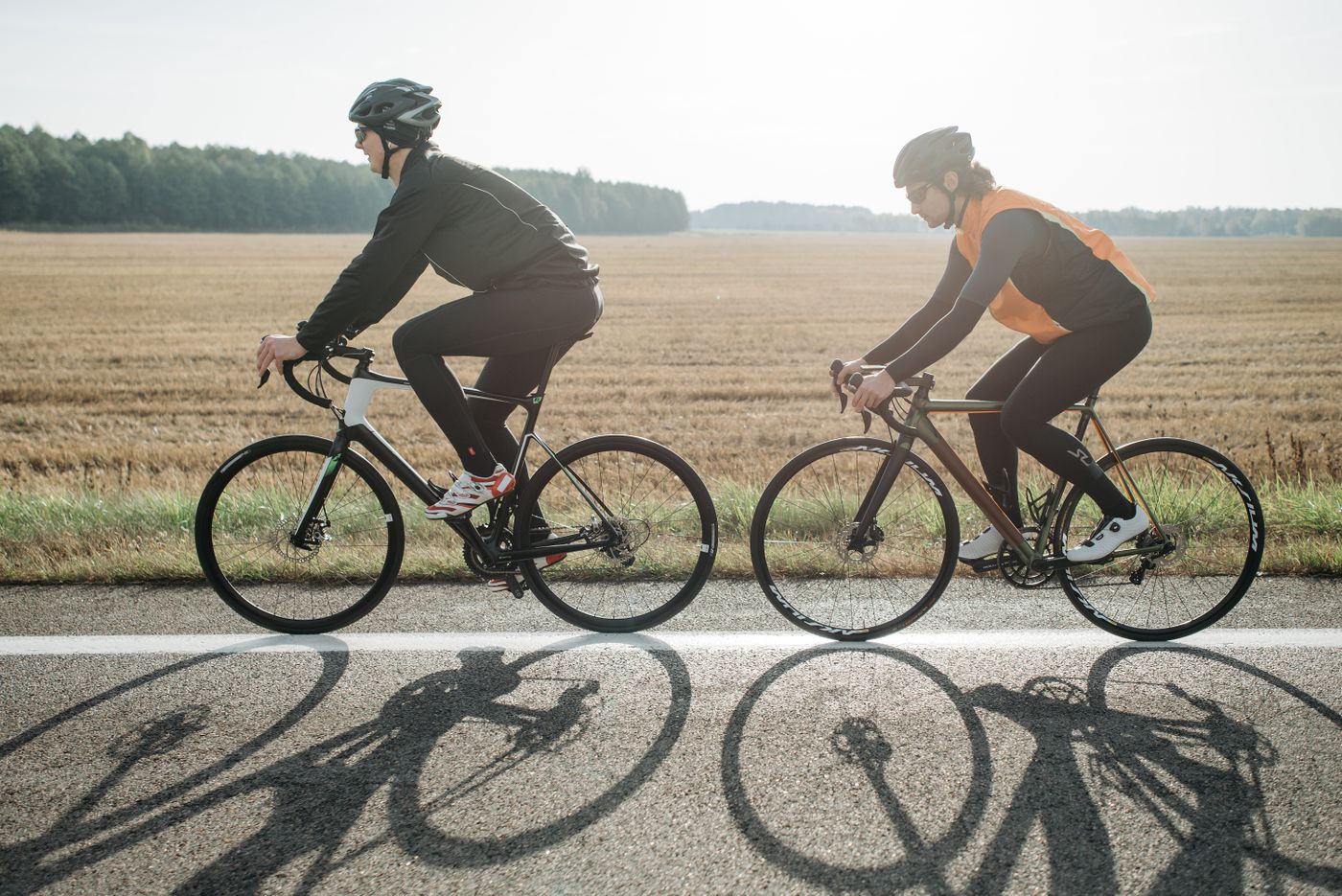
Cyclist riding on an open German road at golden hour Gravel bike leaning on a forest track

Three problems we write against

Most bicycle content online is either a sales page or a spec sheet. Klenzegen sits in the gap: plain-language education, grounded in how Germans actually ride.

01

Bike categories are explained by marketing, not by use

“Endurance geometry”, “adventure-ready”, “urban mobility solution” — labels that tell you nothing about what happens when your route turns from asphalt to Brandenburg sand. We translate categories back into surfaces, postures, and trade-offs you can feel on a test ride.

Our type comparison covers frame geometry, tyre volume, mounting points, and legal classes — the four things that genuinely separate one bicycle from another.

02

German cycling culture is invisible to English readers

Germany has one of the densest cycling cultures in Europe — 70,000+ kilometres of signed routes, a club (Verein) system that has trained racers for over a century, and cities where a third of trips happen on two wheels. Almost none of it is documented well in English.

The Cycling in Germany chapter and our journal cover the history, the infrastructure, and the everyday habits that make it work.

03

Buying advice ignores climate and law

A bike that makes sense in California makes less sense in a country with wet winters, mandatory lighting expectations, and a legal distinction between a 25 km/h pedelec and a 45 km/h S-pedelec. Local context changes the right answer.

Every guide on this site assumes German roads, German weather, and German traffic rules — from city commuting kit to seasonal maintenance.

Six parts that define every bike

Before comparing categories, it helps to know which components actually change between them. These six decide almost everything.

Der Rahmen

Frame & geometry

The angles and lengths of the frame decide how you sit and how the bike steers. Stack, reach, and wheelbase matter more than material hype. A relaxed trekking frame and a race frame can weigh the same — and feel nothing alike.

Die Reifen

Tyres & clearance

Tyre width is the single biggest comfort and capability lever. 25 mm rolls fast on asphalt; 45 mm floats over gravel; 60 mm knobs grip roots. Frame clearance decides your ceiling — you cannot add volume the frame will not accept.

Die Schaltung

Drivetrain & gearing

Gear range decides which hills stay rideable. Flat northern Germany forgives narrow ranges; the Alps do not. City bikes favour low-maintenance hub gears; sport bikes favour derailleur efficiency.

Die Bremsen

Brakes

Disc brakes have become the German default for good reason: consistent stopping in rain. Rim brakes survive on lightweight road bikes and older city machines, but wet-weather confidence is a real safety difference.

Das Licht

Lighting & reflectors

German traffic law takes bicycle lighting seriously (StVZO regulates approved lamps). Dynamo hubs power lights that can never run out of battery — one reason they remain standard on quality German city and trekking bikes.

Der Antrieb

Motor class (e-bikes)

A pedelec assists to 25 km/h and legally counts as a bicycle. An S-pedelec reaches 45 km/h and needs an insurance plate. Same silhouette, different laws — the most misunderstood distinction in German cycling.

How bikes actually diverge

Geometry, tyre clearance, and intended terrain shape every ride. Start with the category that matches how you move most weeks of the year.

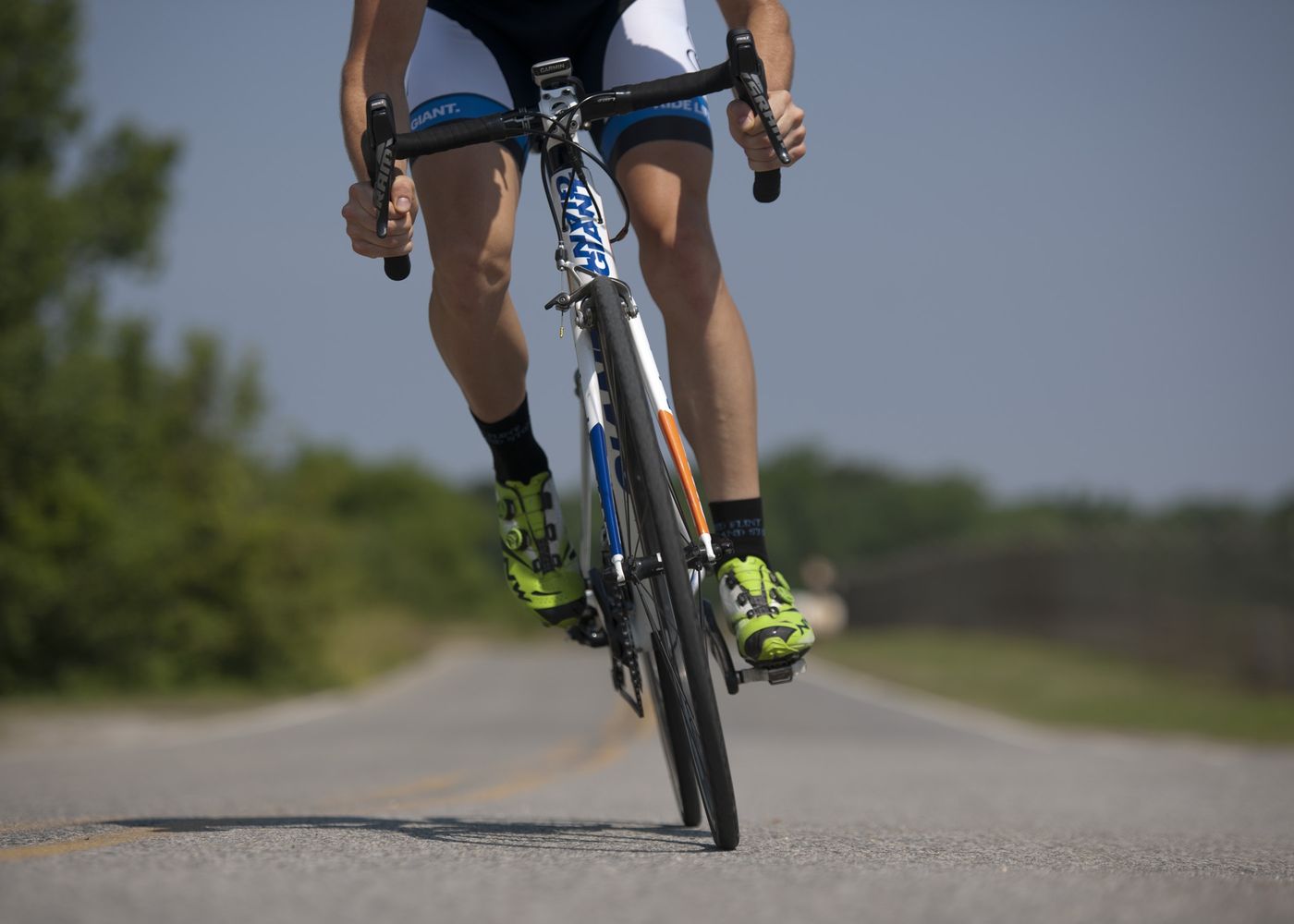
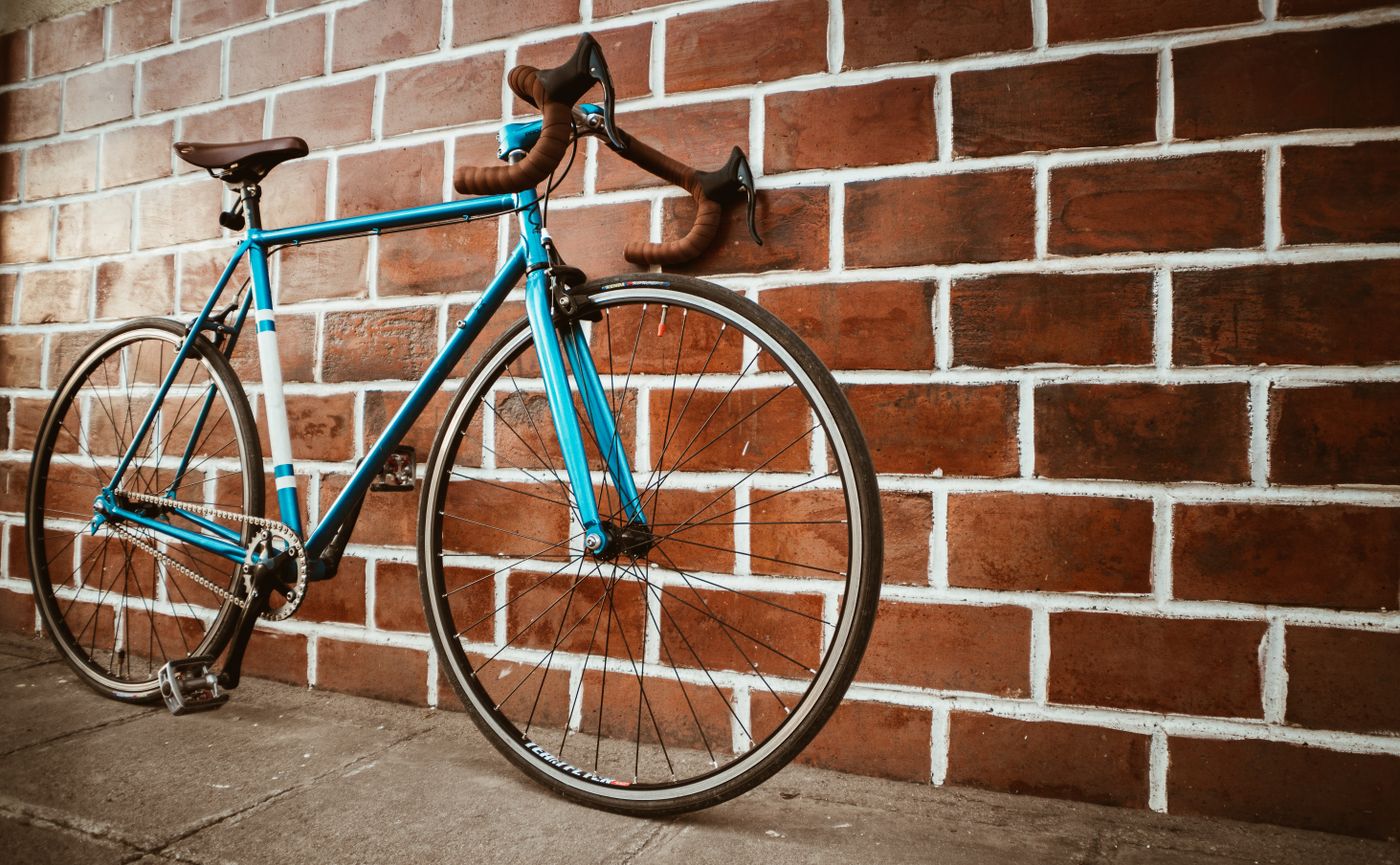
Road bicycle on smooth pavement

01 — Drop bars, narrow tyres

Road bikes

Built for paved speed: steeper geometry, 25–32 mm tyres, and drivetrains geared for sustained cadence. The tool for fitness loops, club runs, and sportives on the smooth asphalt corridors of the Rhineland and northern plains.
Smooth surfacesLight framesRacing posture
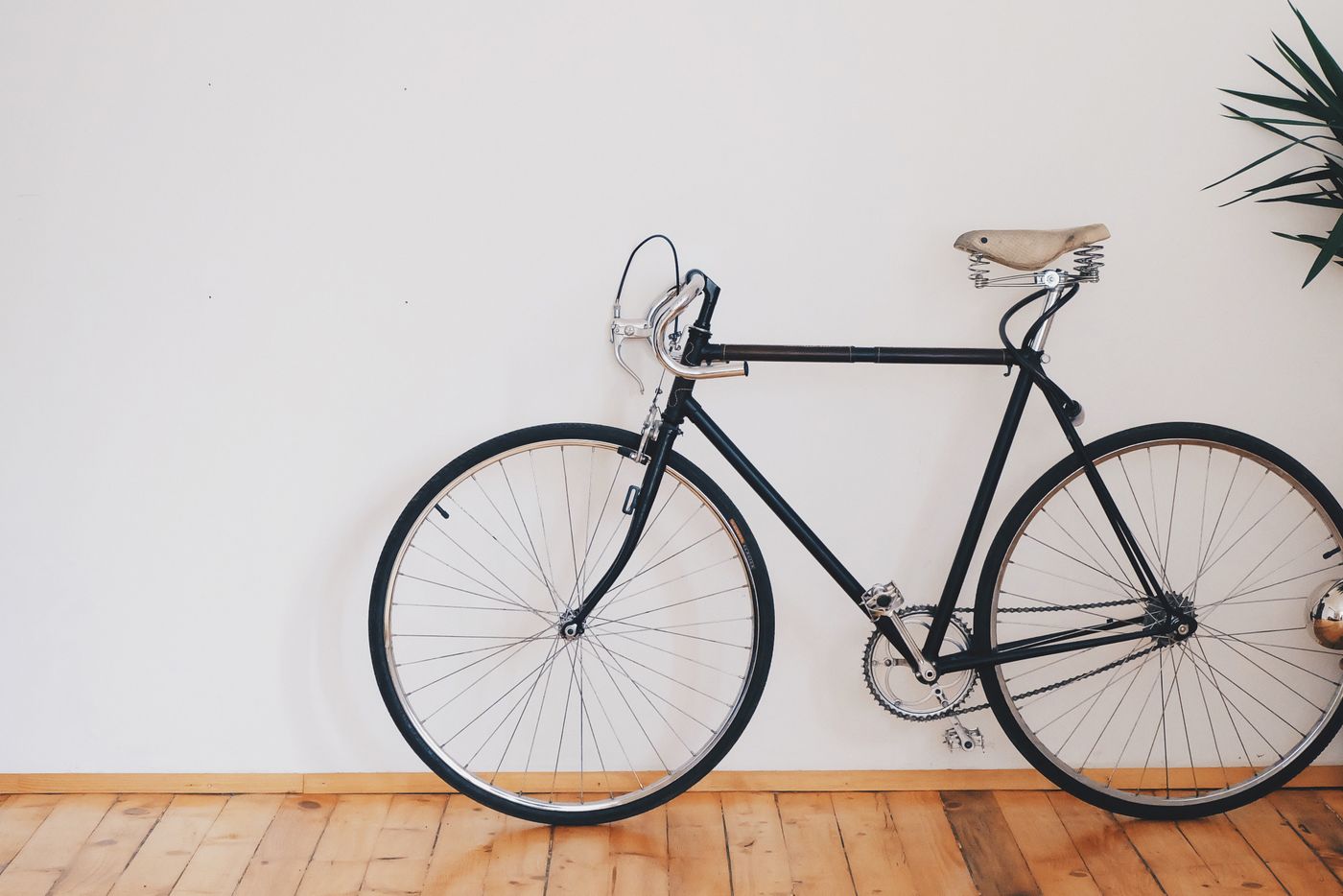
Gravel bike on a mixed-surface track

02 — Mixed terrain

Gravel bikes

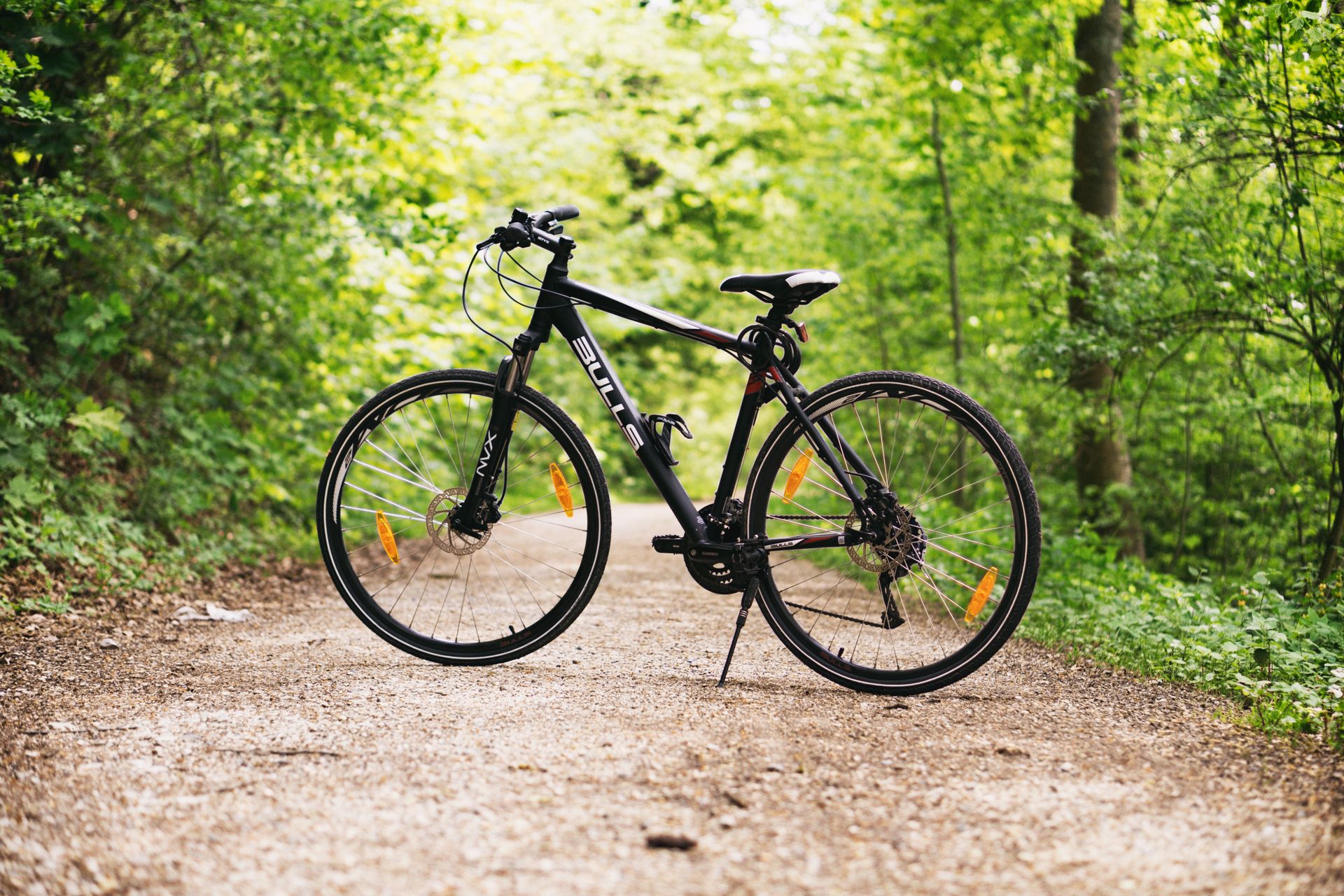
Road efficiency plus 40–50 mm tyre room, longer wheelbase, and mounts for bags. The honest answer to Brandenburg sand tracks, Spreewald connectors, and the farm lanes that interrupt every “pure road” plan in eastern Germany.

Dirt & asphaltStable handlingTouring ready
Practical city bicycle with rack and mudguards

03 — Everyday workhorse

City & trekking bikes

Upright comfort, full mudguards, racks, chain guards, and StVZO dynamo lighting. Designed around German commuting law and all-weather reliability — the bikes that carry a third of urban trips in cities like Münster and Freiburg.

CommutingPractical kitRelaxed fit
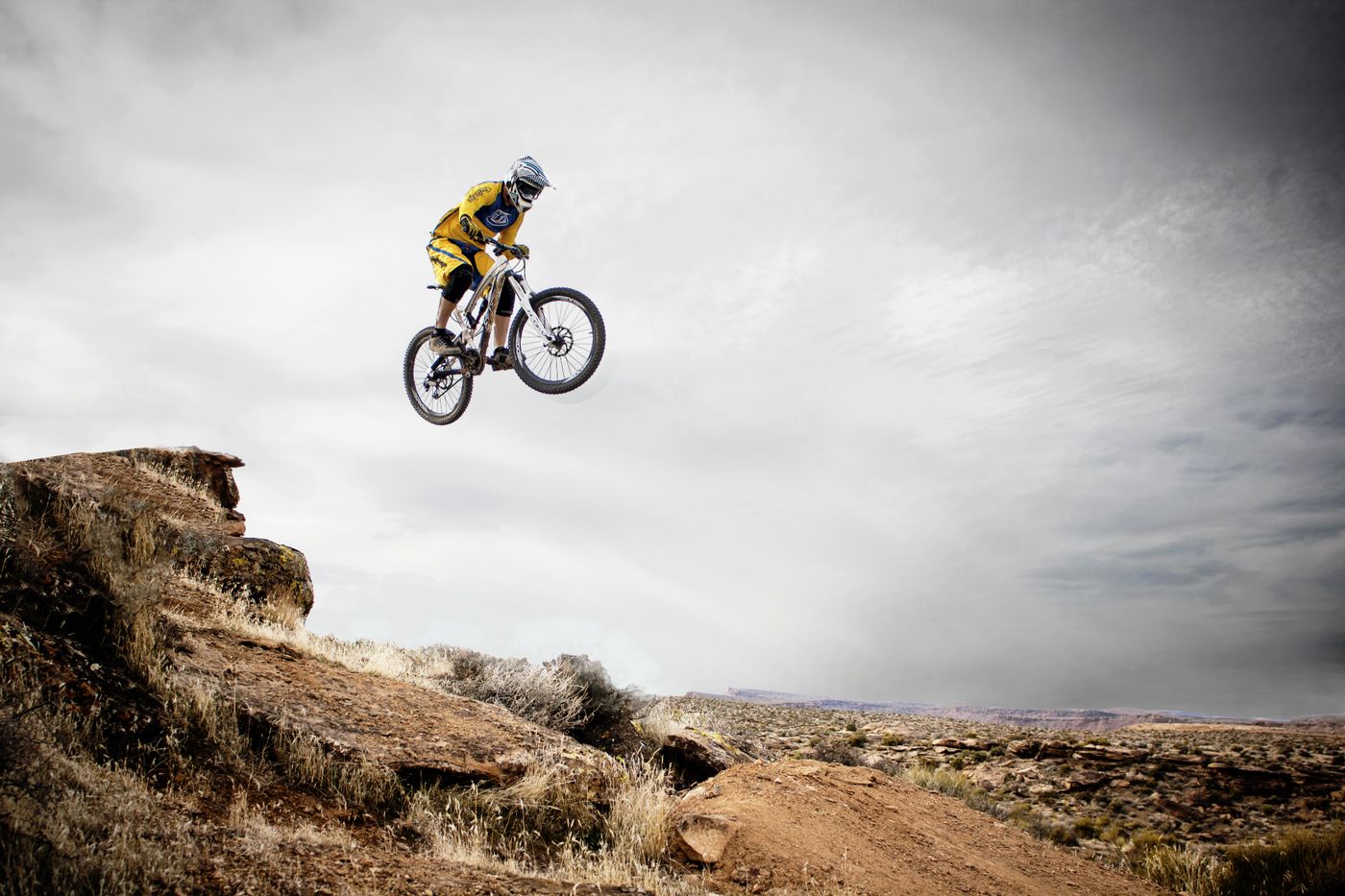
Mountain bike on a rocky forest trail

04 — Technical terrain

Mountain bikes

Suspension, aggressive tyres, and geometry that prioritises control on roots, rock, and steep grades. Germany's MTB heartlands — the Harz, Sauerland, and Bavarian Alps — host trail networks from family loops to bike-park black lines.

Trails & rootsSuspensionDownhill control
Electric assisted bicycle on a paved path

05 — Assisted riding

E-bikes & pedelecs

Assistance up to 25 km/h defines the standard German pedelec — legally a bicycle, practically a commute-changer. E-drive reshaped who cycles in Germany: longer suburban distances, cargo school runs, and riders who had given up on hills.

25 km/h classRange & hillsCargo capable

A country that treats cycling as transport, sport, and habit

~84Mbicycles owned across Germany — more than one per resident
70,000+kilometres of signed long-distance cycle routes
12national D-Netz routes crossing the country border to border
~10M+e-bikes on German roads and counting
1896track cycling at the first modern Olympics — with German riders present from the early era
~2,000cycling clubs (Radsportvereine) organising local sport

Six riding regions, six personalities

The right bike depends on where you live. These are the landscapes German riders plan their weekends around.

Forest cycling track in Brandenburg
East — flat & sandy

Brandenburg

Pine forests, lake loops, and sand that eats narrow tyres. Gravel country — and our home turf.

Mountain trail in the Harz
Centre — mid-mountain

The Harz

Compact, rooty, technical. Germany's most accessible proper MTB range, reachable from Berlin and Hannover.

River valley cycling landscape
West — river valleys

Rhine & Moselle

Vineyard lanes and Europe's classic river-path touring. Road bikes for climbs, trekking bikes for the flat kilometres.

Alpine cycling terrain in Bavaria
South — big relief

Bavarian Alps

Real elevation, fast weather, long descents. Road cols and alpine MTB in the same postcode.

Urban cycle lane
Cities — daily transport

Berlin · Hamburg · Munich

Cobbles, tram tracks, protected lanes, and theft strategy. Where German cycling is a transport statistic, not a hobby.

Group of cyclists riding together
Everywhere — the Verein

Club country

Around 2,000 cycling clubs run training rides, junior programmes, and weekend races in every federal state.

Eight long reads on bikes & German roads

All posts

Questions readers ask us

Which bike type should a beginner in Germany buy first?

For most people: a trekking or city bike if the goal is transport, a gravel bike if the goal is fitness and exploring. Both handle the mixed surfaces and wet weather that define German riding. A pure road bike is a beautiful second bike — it is rarely the best only bike.

Our type comparison walks through the decision in detail.

What is the legal difference between a pedelec and an S-pedelec?

A pedelec assists only while you pedal and cuts off at 25 km/h — legally it is a bicycle, so it may use cycle paths. An S-pedelec assists to 45 km/h and counts as a small moped: it needs an insurance plate, a suitable helmet, and generally may not use cycle paths. The visual difference is small; the legal difference is not.

Do I really need StVZO-approved lights?

For riding on public German roads, yes — bicycle lighting is regulated, and approved front and rear lamps (plus reflectors) are expected equipment. Beyond the law, German winter commuting happens largely in the dark; a dynamo setup means never arriving with a dead battery.

Is Germany actually good for cycling holidays?

Exceptionally. The river routes (Elbe, Rhine, Danube, Moselle) offer multi-day itineraries with signage, hotels used to cyclists, and train connections for shortcuts. The D-Netz network links these into border-to-border journeys. Surface quality varies — check whether your route includes unpaved sections before choosing tyres.

Who writes Klenzegen?

An independent editorial desk in Fredersdorf-Vogelsdorf, east of Berlin. We are not a shop and sell nothing on this site. Full details on the About page and Impressum; questions welcome via contact.

German cycling words worth knowing

Reading about cycling in Germany means meeting these terms. Eight of the most useful, translated.

Radweg
Cycle path. Where a blue sign marks one, using it is generally mandatory.
Verein
Club — the organisational unit of German amateur sport, cycling included.
Pedelec
Pedal-assist e-bike limited to 25 km/h; legally a bicycle.
StVZO
Road traffic licensing regulations — the rules behind approved bike lighting.
Radtour
A bike tour, from an afternoon loop to a two-week river journey.
Gepäckträger
Rear rack. Standard equipment on German everyday bikes, not an accessory.
Rennrad
Road bike — literally “racing wheel”.
Feierabendrunde
The after-work loop — a cherished German cycling institution.

Questions about bikes or our guides?

We answer editorial and general inquiries from our office in Fredersdorf-Vogelsdorf. Clear contact details, real people, no chatbots.

Contact Klenzegen