
Field comparison · Updated for the 2026 season
Bicycle types — what actually changes
Five categories cover almost everything you see on German roads. The real differences are four: geometry, tyre volume, mounting points, and — for e-bikes — legal class. This page walks through each category the way a good shop mechanic would: what it is for, what it gives up, and where in Germany it makes sense.
Choosing a bicycle is less about brand mythology and more about matching the machine to the surfaces you ride most weeks of the year. In Germany that usually means a mix: asphalt Radwege, cobbled town centres, forest tracks, tram rails, and — if you are lucky — the occasional Alpine climb. No single bike is best at all of it. Every category is a bet on which surfaces matter most to you.
How to use this page
- Read the category closest to your riding first — each section stands alone
- The comparison table at the bottom summarises all five side by side
- Cross-references link to deeper journal articles on each topic
- Prices are deliberately absent: specs shift yearly, use-cases do not
1. Road bikes (Rennrad)
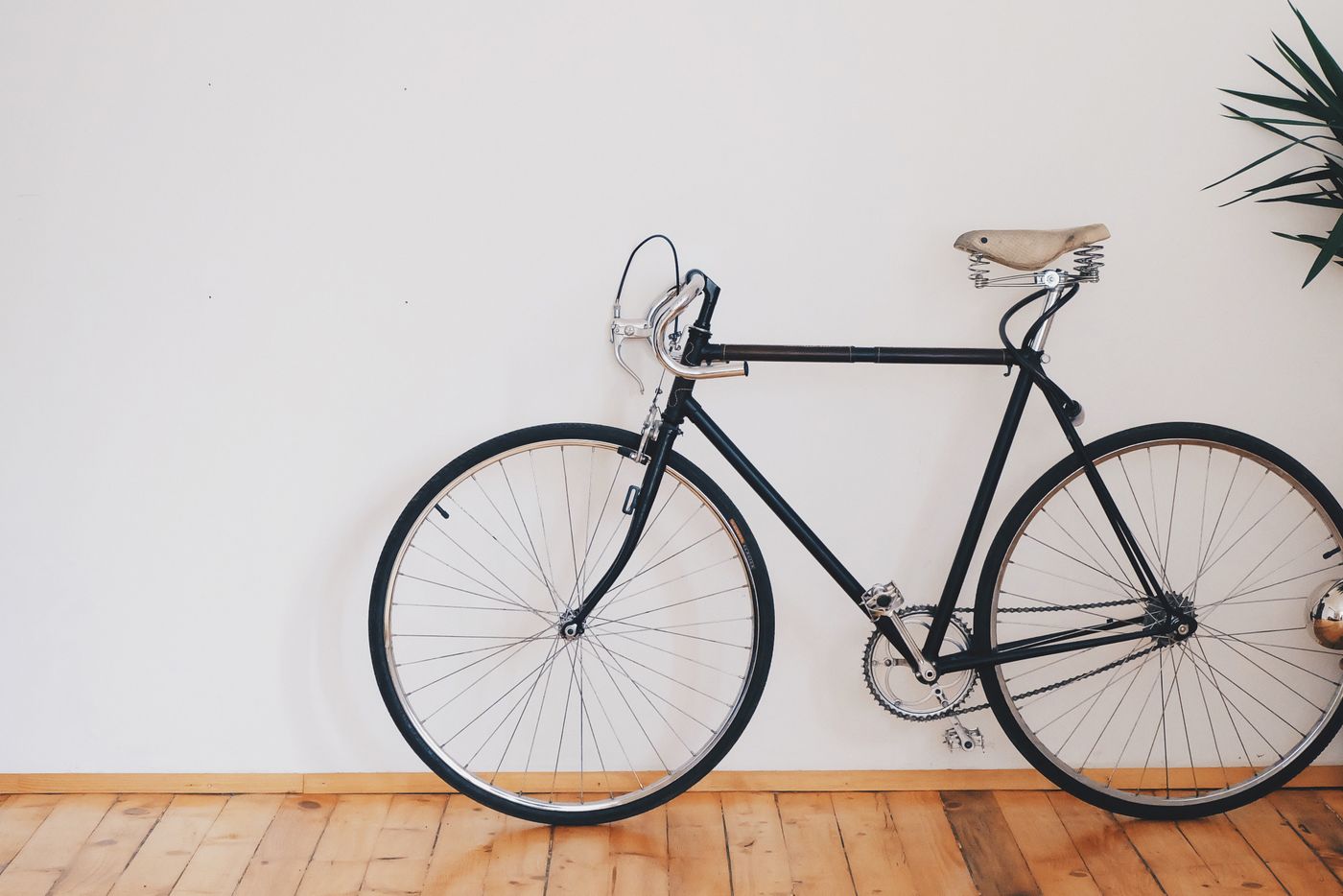
Road bikes place the rider forward and low for aerodynamic efficiency. Modern road tyres run 25–32 mm — wider than a decade ago, because research showed wider tyres at lower pressure roll faster on real-world asphalt. Frames are light (7–9 kg complete is normal), gearing favours sustained cadence over crawling range, and handling is quick.
The riding position is the defining trade-off. A lower torso is faster and engages more muscle groups, but demands flexibility and core strength. Riders who force themselves onto an aggressive race position they cannot hold end up slower and sorer than they would be on an endurance-geometry road bike — same category, friendlier angles.
Where it shines in Germany
- The flat, fast asphalt networks of the northern plains and Ruhr valley
- Rhineland and Moselle climbs, where low weight is a genuine advantage
- Club training rides and gran fondo events (RTFs), which assume road bikes
Where it struggles
- Brandenburg sand and forest connectors — narrow slicks simply sink
- Winter commuting: most road frames lack mudguard and rack mounts
- Cobbled old-town centres, where 25 mm at high pressure punishes wrists
Deep dive: Road vs gravel for German routes and frame geometry without the jargon.
2. Gravel bikes
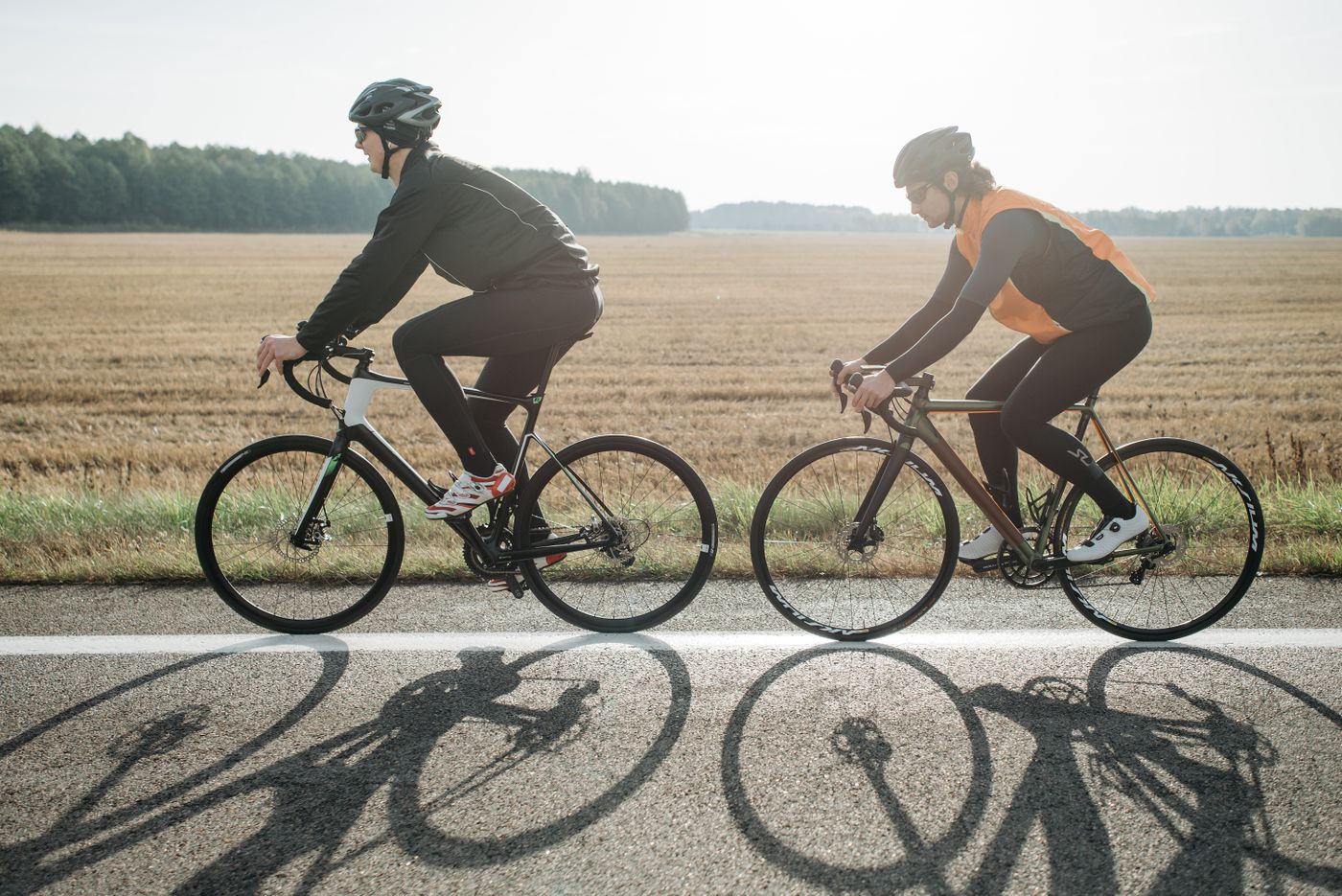
Gravel bikes borrow the road bike's drop bars and efficiency, then add what mixed terrain demands: tyre clearance for 40–50 mm rubber, a longer wheelbase for stability on loose surfaces, lower gearing, and mounting points for racks, bags, and extra bottles. The result is the most versatile drop-bar machine ever made — and, not coincidentally, the fastest-growing category in Germany.
The honest cost is speed on perfect asphalt: a gravel bike with 45 mm file-tread tyres gives up perhaps 1–2 km/h to a road bike at the same effort. On anything rougher than fresh tarmac, the gravel bike claws it all back and more, because the rider is not being rattled into fatigue.
Where it shines in Germany
- Brandenburg and Mecklenburg forest belts, where sand and washboard are normal
- Mixed-route touring: the D-Netz routes switch between asphalt and compacted gravel constantly
- Riders who want one bike for commuting, fitness, and weekend bikepacking
Where it struggles
- Genuine MTB trails — no suspension, and drop bars limit control on technical descents
- Pure road group rides, where you will work harder to hold the wheel
3. City & trekking bikes
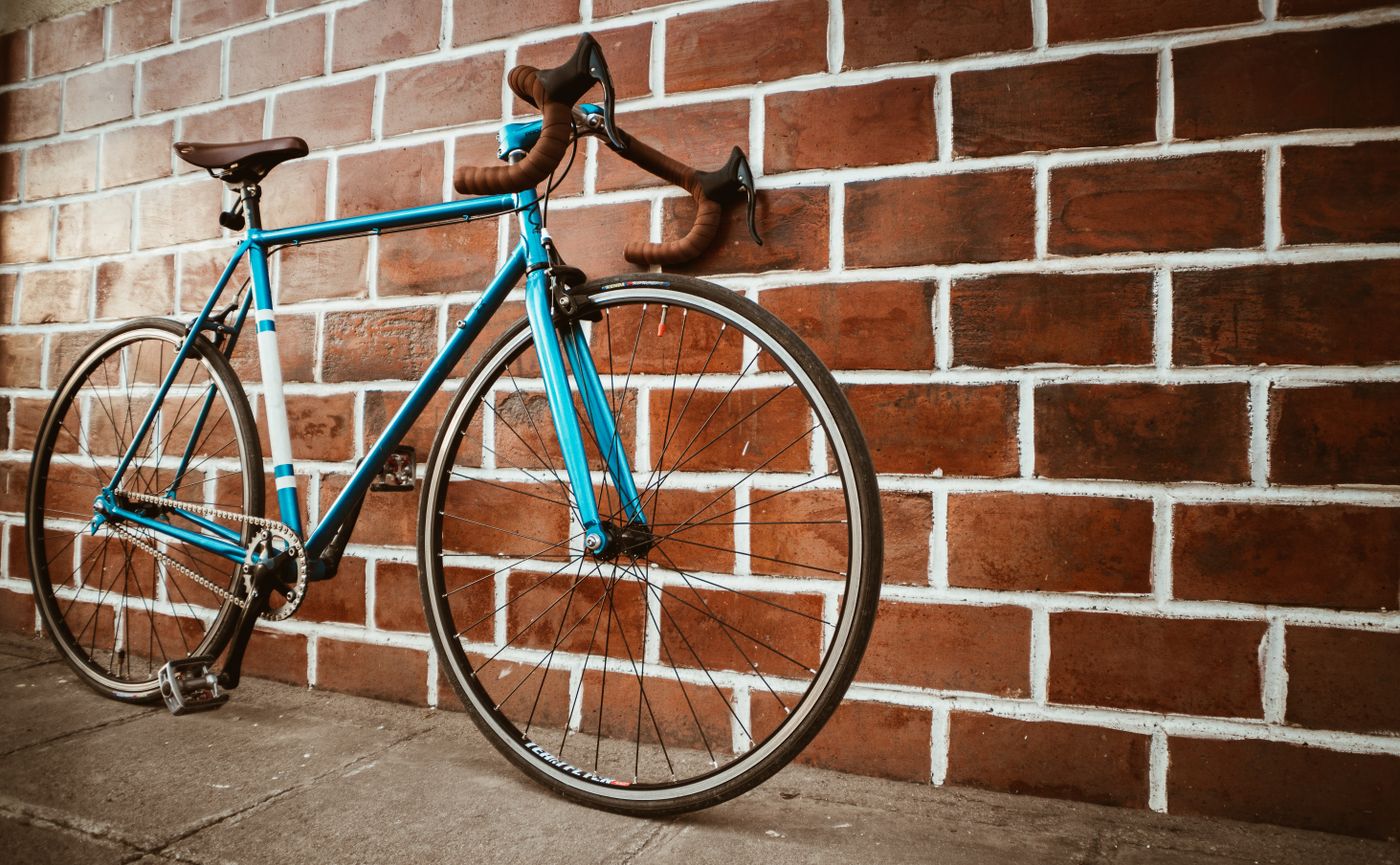
These are the workhorses of German streets, and they are engineered to a different philosophy: minimise thinking, maximise reliability. Full-length mudguards, chain guards that protect trousers, hub dynamos powering StVZO-approved lighting, rear racks rated for panniers, kickstands, and often low-maintenance hub gears with a fully enclosed chain or belt drive.
The trekking bike is the city bike's touring sibling: same practicality, plus wider gear range, stronger wheels, and geometry comfortable for eight-hour days. It is the default machine for the classic German Radtour along the Elbe, Danube, or Weser.
Why Germany perfected this category
Because German law and habit demand it. Lighting is regulated, weather is wet, and millions of people ride in normal clothes to work, school, and the bakery. A bike that needs charging, cleaning, or special shoes fails that job. The unglamorous city bike is arguably Germany's greatest contribution to everyday cycling — read our city essentials guide for the details.
4. Mountain bikes (MTB)
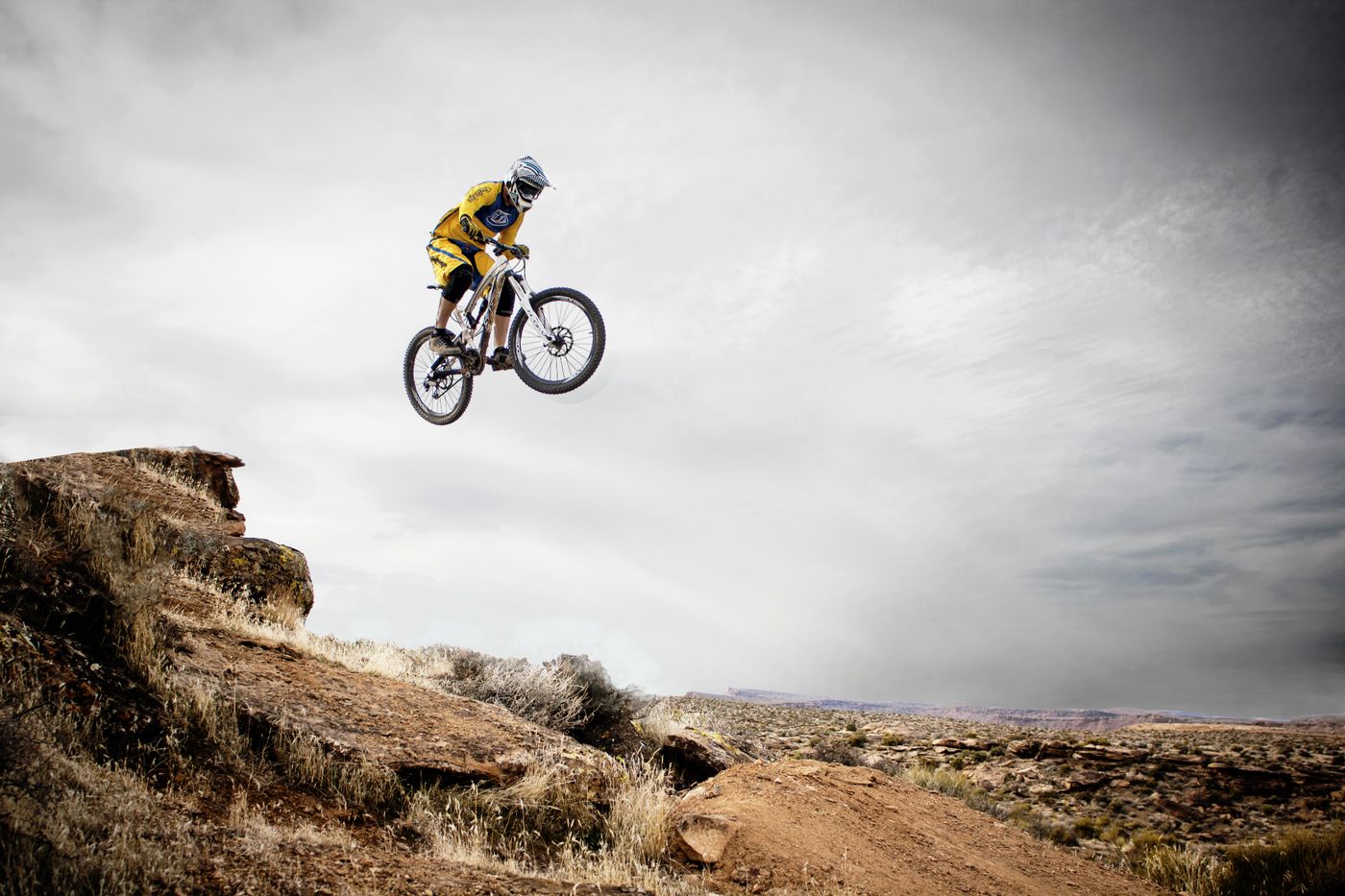
Mountain bikes are built for terrain that would stop every other category: roots, rock gardens, steep loose climbs, and descents where control matters more than speed. The defining hardware is suspension — a hardtail has a suspension fork only; a full-suspension bike adds a rear shock — plus wide handlebars, dropper seatposts, and tyres from 2.2 to 2.6 inches with real knobs.
Within the category, travel (how far the suspension compresses) maps to intent: 100–120 mm cross-country bikes climb efficiently and race; 130–150 mm trail bikes are the versatile middle; 160+ mm enduro machines prioritise descending. More travel is not better — it is heavier and duller on mellow terrain.
Where it shines in Germany
- The Harz: compact, rooty, technical — the accessible MTB heartland
- Sauerland and Black Forest trail networks and bike parks
- Bavarian Alps: big relief, long descents, alpine weather
Regional guide: MTB in the Harz and Bavarian Alps.
5. E-bikes (pedelecs)
Strictly speaking, an e-bike is not a sixth category — it is an electrified version of the other five. City e-bikes dominate sales, but e-MTBs opened alpine terrain to more riders, and e-cargo bikes replaced second cars for thousands of German families. What unites them is the legal framework:
- Pedelec (25 km/h): assists only while pedalling, cuts off at 25 km/h. Legally a bicycle — no licence, no plate, cycle paths allowed.
- S-pedelec (45 km/h): legally a small moped. Insurance plate required, suitable helmet required, cycle paths generally off-limits.
Mid-drive motors (in the bottom bracket) dominate the German market because they keep weight central and use the bike's gears. Battery capacity of 500–750 Wh yields realistic ranges of 60–120 km depending on assist level, terrain, and temperature — winter cold visibly cuts range, which is why battery habits matter. Full picture: E-bikes in everyday German life.
The full comparison
| Type | Tyres | Posture | Best surface | Carries load? | Typical German use |
|---|---|---|---|---|---|
| Road | 25–32 mm slick | Low, stretched | Continuous asphalt | Rarely | Sport, club rides, RTFs |
| Gravel | 38–50 mm file/knob | Endurance drop-bar | Mixed asphalt + gravel | Yes (bags, racks) | Exploring, bikepacking, all-road fitness |
| City / Trekking | 35–50 mm puncture-resistant | Upright | Urban + paved paths | Yes (panniers) | Commuting, shopping, river touring |
| MTB | 2.2–2.6″ knobbed | Control-focused | Trails, roots, rock | Limited | Harz, Alps, bike parks |
| E-bike (pedelec) | Follows base type | Follows base type | Follows base type | Often (cargo variants) | Longer commutes, hills, cargo |
A 60-second decision guide
Answer three questions honestly:
- What surface do 80% of your kilometres happen on? Continuous asphalt → road or city. Mixed → gravel or trekking. Trails → MTB.
- Do you carry things? Daily panniers or a child seat push you toward city/trekking frames with proper mounts — or cargo e-bikes.
- Is effort the point, or the obstacle? If riding is your sport, stay unassisted. If distance, hills, or cargo keep you off the bike, a pedelec removes the excuse.
Still torn between the two most popular answers? That exact dilemma has its own article: road vs gravel for German routes.