
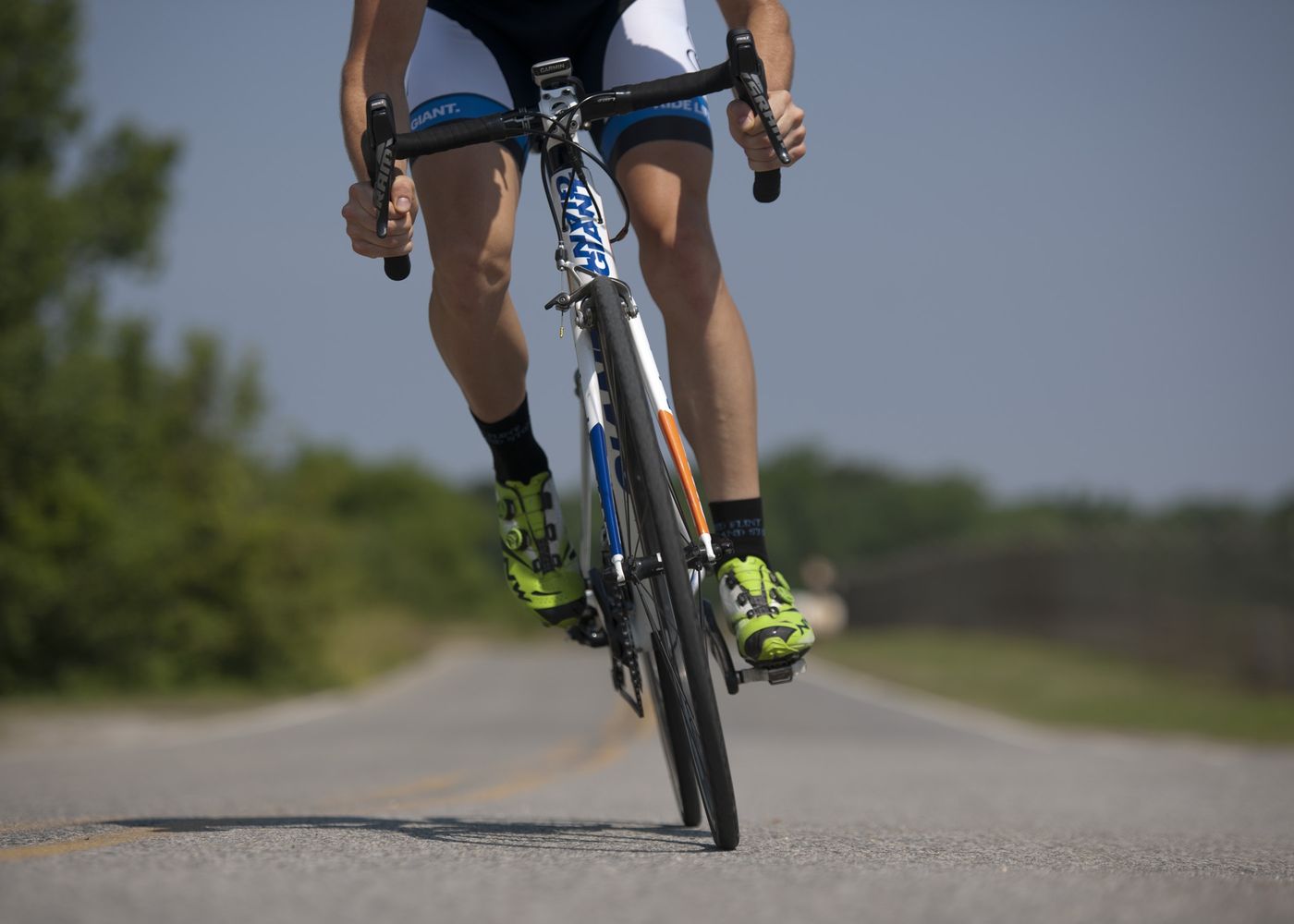
Germany rewards both pure road machines and versatile gravel bikes — often on the same afternoon. The practical question is which compromises you can live with when the route flips from asphalt to crushed stone.
Key takeaways
- Choose by the surfaces of your last ten rides, not your imagined ones
- Road wins on continuous asphalt; gravel wins the moment surfaces mix
- Tyre clearance is the hard boundary — geometry is the soft one
- In Brandenburg and most of eastern Germany, gravel is the honest default
Start with your weekly surfaces
List the last ten rides you actually did, not the rides you imagine in spring. If eight of them stayed on continuous pavement — cycle highways, Bundesstraße shoulders, riverside asphalt — a road bike with modern 28–32 mm tyres will feel sharper and less fatiguing at pace.
If half your rides include forest connectors, farm tracks, or sandy Brandenburg paths, gravel geometry and 40–45 mm rubber will save your wrists and keep speed where a skinny road tyre would scrub and chatter.
Geometry you can feel
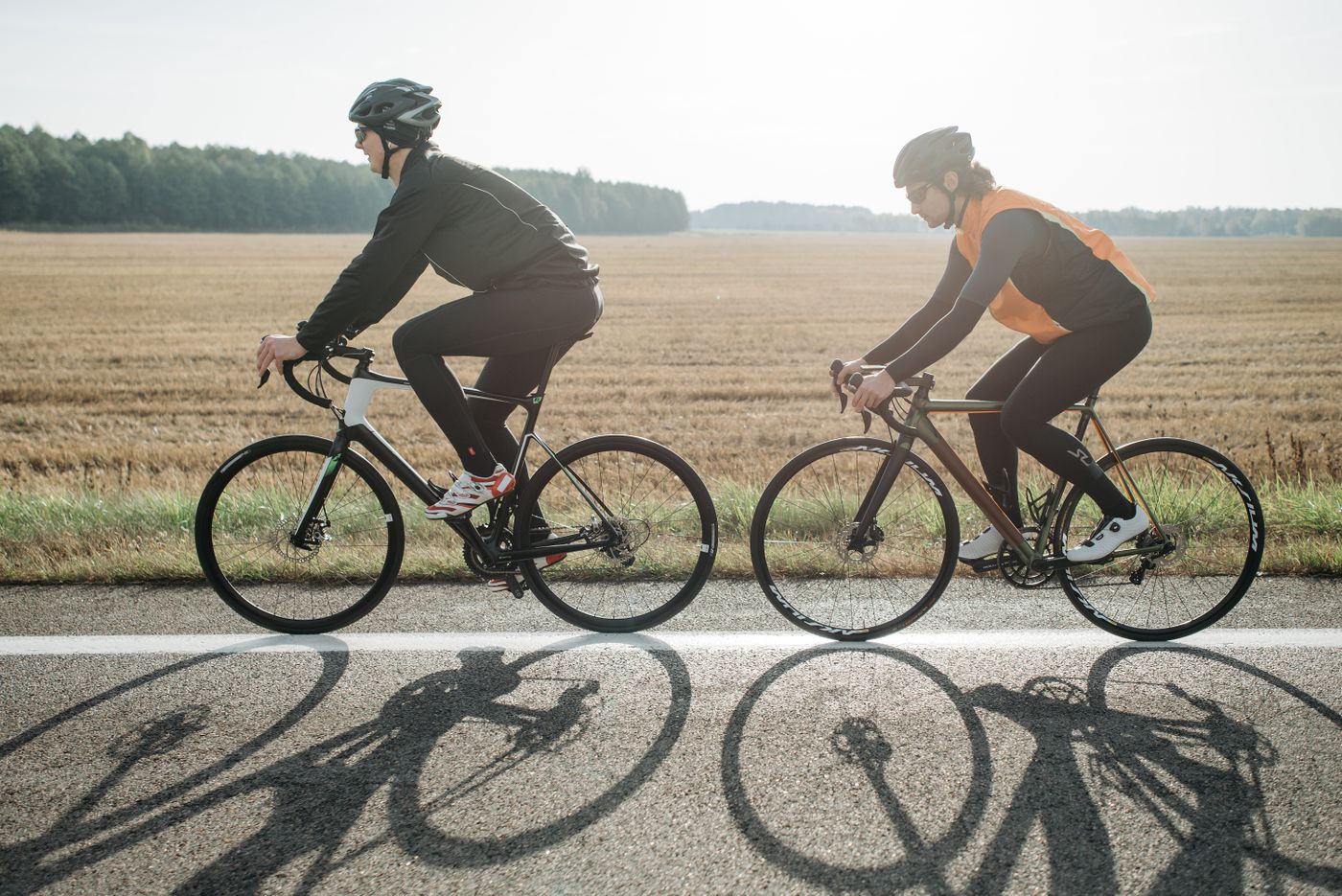
Road bikes typically put more weight on the hands and ask for a lower torso angle. That is efficient on smooth tarmac and in a paceline. Gravel frames lengthen the wheelbase and raise the front slightly, trading peak aero for stability when the surface gets vague.
- Road: quicker steering, higher cadence efficiency, limited tyre volume
- Gravel: calmer handling, mounts for bags and bottles, room for knobs or file tread
German route archetypes
Northern flats and city escapes: Road or endurance road wins if you stay on signed asphalt corridors.
Brandenburg and Mecklenburg forest belts: Gravel is the honest tool. Sand, pine needles, and abrupt surface changes are normal.
Rhine and Moselle valleys: Mixed — vineyard lanes can be pristine or broken. Many riders keep a road bike for weekend climbs and a gravel bike for midweek exploration.
Alpine approaches: Road for classic cols; gravel if your plan includes service roads and plateau tracks.
A simple decision rule
Neither choice is “more German” — both sit comfortably inside how this country rides. The question is only your tolerance for detours and surface surprises. Next, compare categories on our bike types page, or learn how signed routes shape these decisions in Germany’s cycle network story.
Tyres: the honest converter between categories
Before you buy a second bike, check what your current frame accepts. Many endurance road bikes clear 32–35 mm tyres; that single change converts them into credible light-gravel machines for compacted surfaces. Conversely, a gravel bike with fast 38 mm slicks gives up very little on asphalt group rides.
The conversion has limits. No tyre swap gives a road frame the stable steering of gravel geometry on loose descents, and nothing makes 50 mm knobs feel quick on a smooth Radweg. But the tyre lever is cheap to try — and it teaches you, with your own body, which direction your riding actually leans.
The speed arithmetic nobody does honestly
Riders overweight top speed and underweight fatigue. On a 90 km mixed loop with 20 km of forest track, a road bike may hold 2 km/h more on the paved sections and lose ten minutes to careful riding, bottle-rattling washboard, and one pinch-flat stop on the rough ones. The gravel bike finishes at nearly the same time — with a fresher rider.
Reverse the mix and the arithmetic flips: on a fully paved 90 km, the road bike is simply faster everywhere, and the gravel rider works harder for the same wheel. There is no universal winner; there is only your route distribution.
A test that settles it in one weekend
Plan a 60 km loop from your door that you would genuinely like to ride monthly. Map it honestly — including the connectors you would need. Count the kilometres that are not clean asphalt. Under 10%: road bike, enjoy the speed. Over 25%: gravel, no debate. In between: ask whether your area is trending toward more forest riding or more sportives, and buy for next year, not last year.