
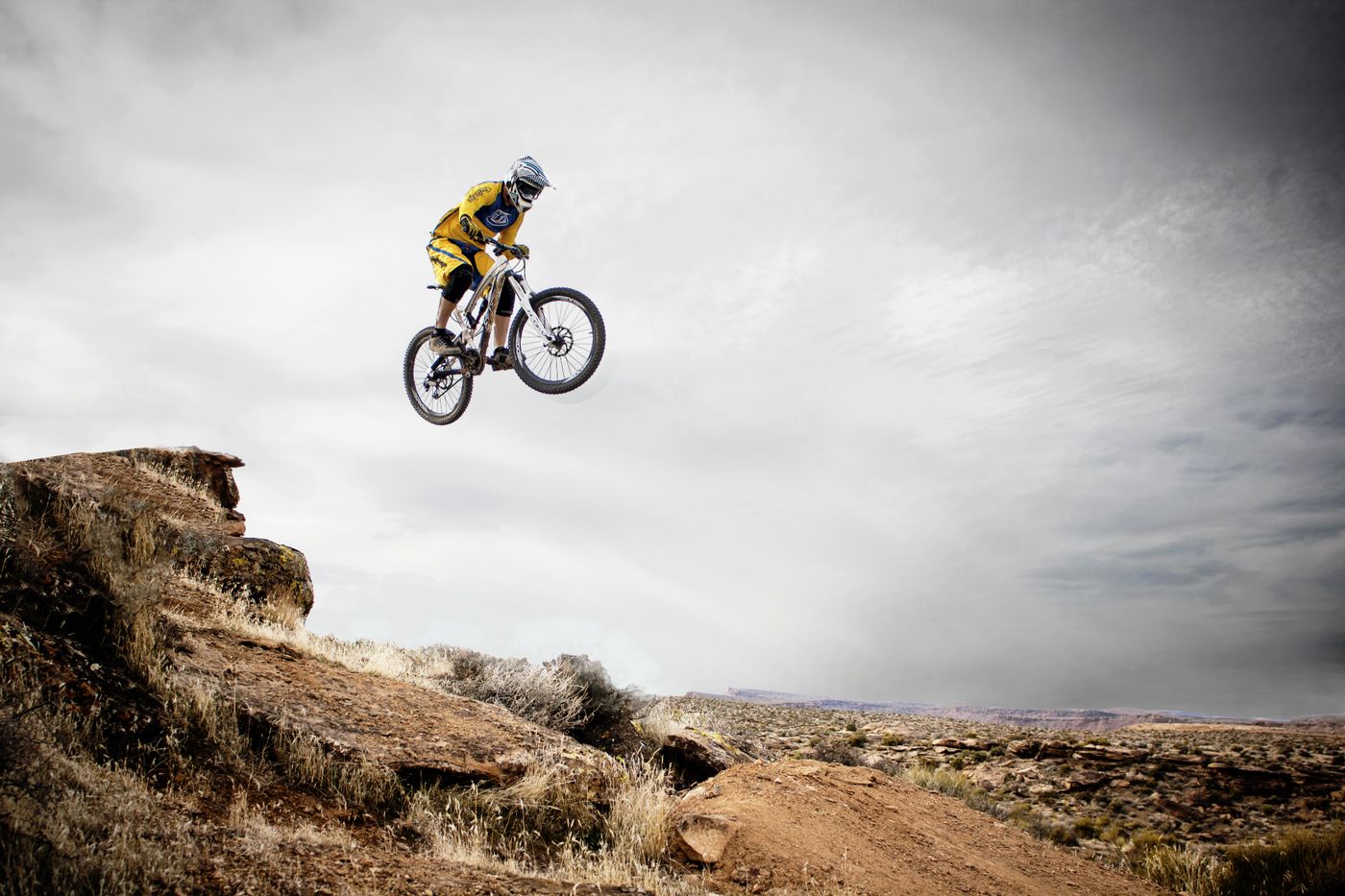
Germany’s mountain bike map is broader than alpine postcards suggest. The Harz offers accessible technical riding in a compact range; the Bavarian Alps deliver elevation, longer descents, and high-country weather that demands respect.
Key takeaways
- The Harz: compact, rooty, technical — ideal first “real mountains” from Berlin or Hannover
- Bavarian Alps: bigger relief, faster weather, longer commitment per descent
- Match suspension travel to terrain: 120 mm covers the Harz; alpine days justify more
- Both regions are train-accessible with a bike — no car required
Harz — compact and rooty
Expect forest density, rock gardens, and trails that change character quickly. A capable hardtail or short-travel full suspension suits many Harz days. Navigation and local trail etiquette matter; shared-use paths are common.
Bavarian Alps — elevation and exposure
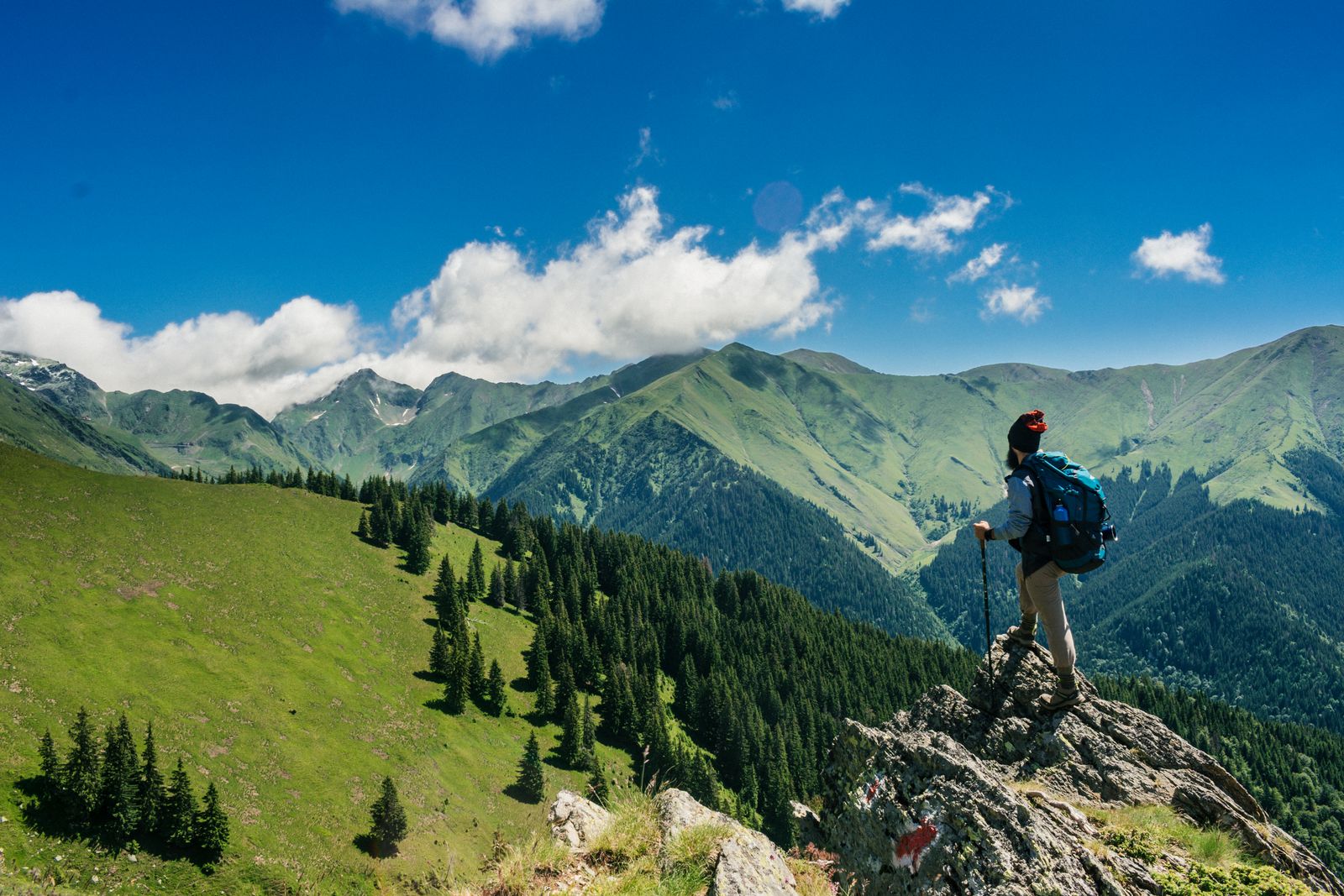
Alpine approaches reward fitness and planning. Weather windows shift fast. Bike parks and natural trails coexist; choose terrain that matches your braking skill and protective gear. Wider temperature ranges mean packing layers even in July.
Setup notes
- Tyres with reliable side knobs for wet roots
- Brakes bedded-in before steep descents
- Dropper posts for technical sections
- Repair kit sized for longer alpine loops
Seasonality
Shoulder seasons can be excellent if freeze-thaw has not destroyed traction. High summer brings crowds to famous spots — early starts help. Winter riding is possible on lower loops but ice changes the risk profile entirely.
Back on the flats, the same country offers a completely different sport culture — explore it in Cycling in Germany.
Calibrating expectations: two sample days
A Harz day: base in Wernigerode or Braunlage, 35–45 km with 900–1,200 m of climbing, alternating flow trail, root gardens, and fire-road transfers. The Volksbank Arena Harz network signs hundreds of kilometres of routes; navigation is easy and bailout options frequent. Hardtail-friendly.
An alpine day: from Garmisch or Oberammergau, expect fewer kilometres, more vertical, and descents of 800+ m that heat brakes and test arm endurance. Weather can end the day at noon; lifts and bike parks (Geisskopf, Ochsenkopf, and the Austrian border resorts) offer gravity riding without the climb.
Forest access and etiquette
German forest law generally permits cycling on forest roads and suitable paths, but the details are state law: Baden-Württemberg’s (contested) 2-metre path rule is the famous exception, and nature reserves restrict riding regionally. Universal etiquette carries you everywhere: yield to hikers, brake before blind corners, no skidding through soft trail, and respect trail-closure signs — access debates in Germany are won or lost on rider behaviour.
Getting there by train
Both regions work car-free: the Harz via regional trains to Wernigerode or Goslar (bike ticket, roll on), the Bavarian Alps via Munich with the Werdenfelsbahn to Garmisch. Book bike spaces early on summer weekends. The combination of German rail bike policy and signed trail networks makes MTB one of the easiest sports here to do sustainably — a point covered further in our network article.